
Amid major transformations in the global industrial landscape—ranging from energy transition and digitalization to increasingly intense competition—the success of vocational education is no longer measured solely by graduation rates. Instead, it is defined by the real impact its alumni create: how they contribute, adapt, and lead in the professional world.
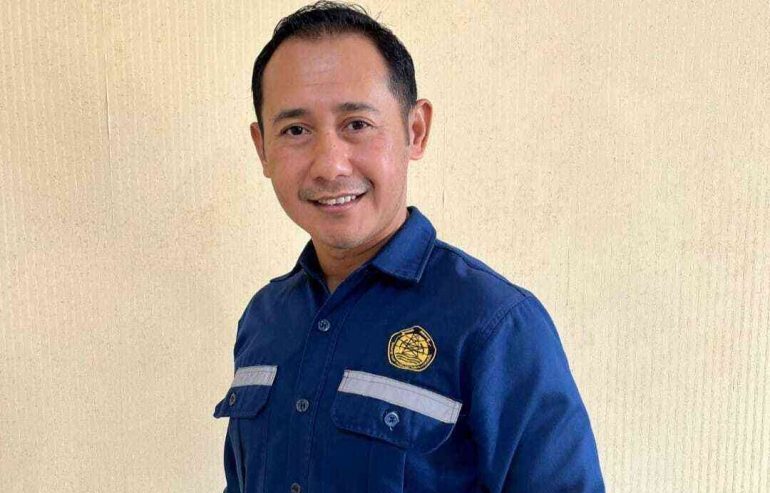
One inspiring example is the journey of Dr. Novi Hery Yono, S.T., M.T., an alumnus of Chemical Engineering at Universitas Diponegoro, who now serves as an Advisory Board member of the Industrial Chemical Engineering Technology Study Program (TRKI), Vocational School UNDIP, as well as a prominent professional in Indonesia’s energy sector.
Dr. Novi’s academic journey began with a Diploma III in Chemical Engineering at Universitas Diponegoro, followed by a bachelor’s degree in the same field at the same university. However, his passion for learning did not stop there. He continued to advance his education by earning a Master’s degree in Petroleum Engineering from Institut Teknologi Bandung (ITB) and eventually completing a Doctorate in Educational Management at Universitas Negeri Semarang (UNNES) with outstanding academic achievements. This journey reflects not only academic success but also demonstrates that vocational graduates can grow and compete at both national and global levels through lifelong learning.
Currently, Dr. Novi has over 17 years of experience in the oil and gas industry, where he has held several strategic roles, including junior instructor (widyaiswara muda), trainer and assessor, as well as Sub-Coordinator for Human Resource Development Planning in the oil and gas sector at PPSDM Migas, Ministry of Energy and Mineral Resources. His role extends beyond being a practitioner—he is also a talent developer who contributes directly to strengthening the human resource capacity of Indonesia’s energy sector.
Dr. Novi’s achievements are not limited to his professional career. He has chosen to return to academia as a practitioner lecturer and Advisory Board member at TRKI Vocational UNDIP, bringing real-world industrial experience into the classroom. In this role, he actively aligns the curriculum with global industry needs, promotes project-based learning and teaching factories, develops competency certification programs, and instills a culture of process safety and sustainability. These efforts make vocational education more relevant, practical, and well-prepared to meet workforce demands.
Under the influence of an academic-practitioner figure like Dr. Novi, TRKI students not only learn theoretical concepts but also gain a deeper understanding of how the energy industry operates in practice. This approach helps bridge the gap between academia and industry—one of the key strengths of vocational education. Beyond technical knowledge, Dr. Novi also emphasizes the importance of soft skills that meet global standards. According to him, industries are not only looking for academically strong graduates, but also individuals who can collaborate and deliver real solutions.
Dr. Novi’s commitment to advancing knowledge is also reflected in his research and publications. His contributions go beyond the oil and gas sector, strengthening the synergy between education and industry on a broader scale.
The story of Dr. Novi Hery Yono highlights the immense potential of vocational alumni to become leaders and drivers of global industry. From student to strategic professional, his journey serves as a powerful inspiration for younger generations. His presence at TRKI Vocational UNDIP also demonstrates that modern vocational education requires real industry experience and strong global professional networks. Ultimately, the future of industry is shaped not only by technology, but by people who are willing to learn, adapt, and continuously innovate.
And from UNDIP, stories like Dr. Novi’s continue to emerge—carrying the message that vocational graduates, too, can become game changers on the global industrial stage.